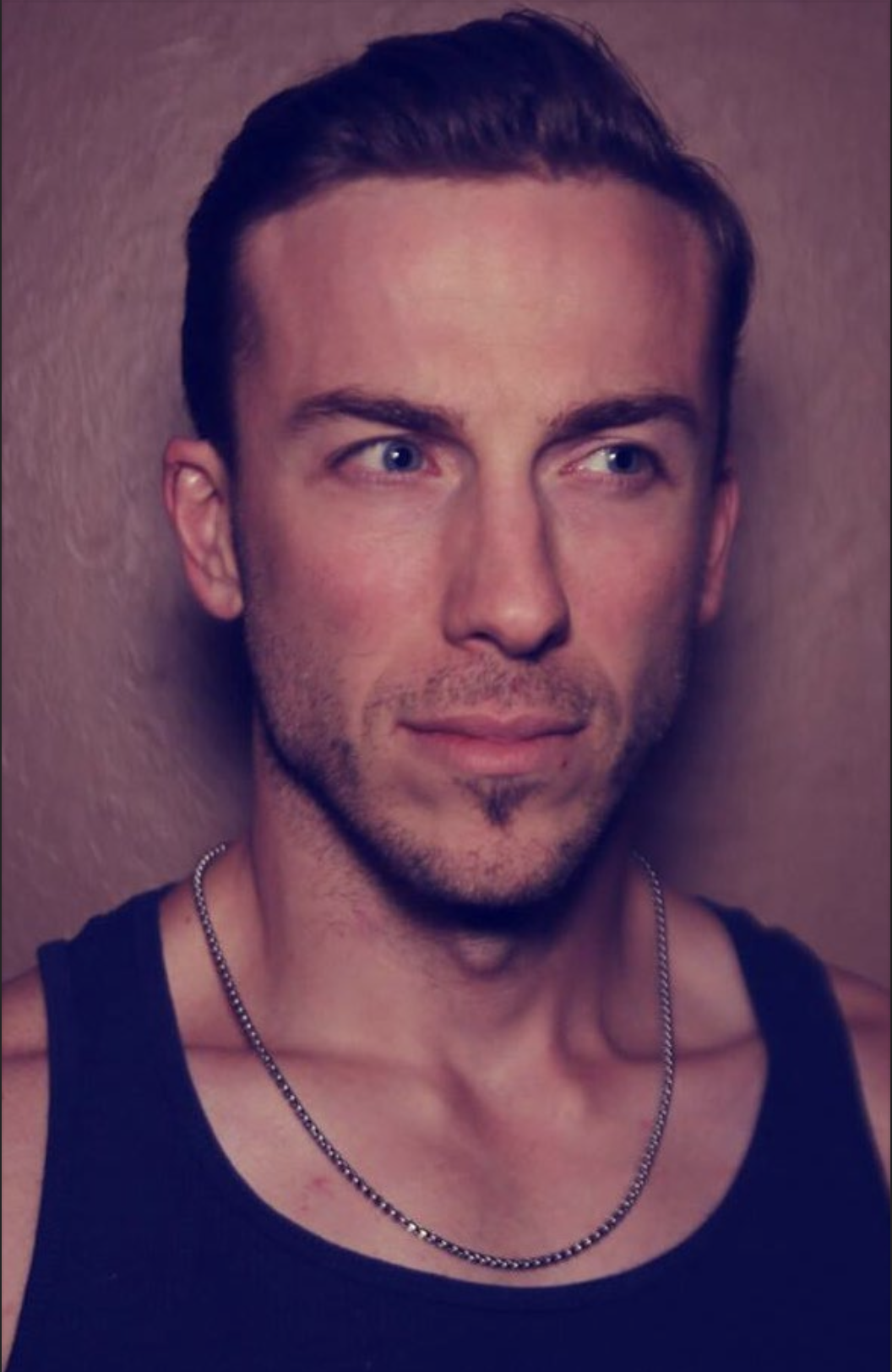
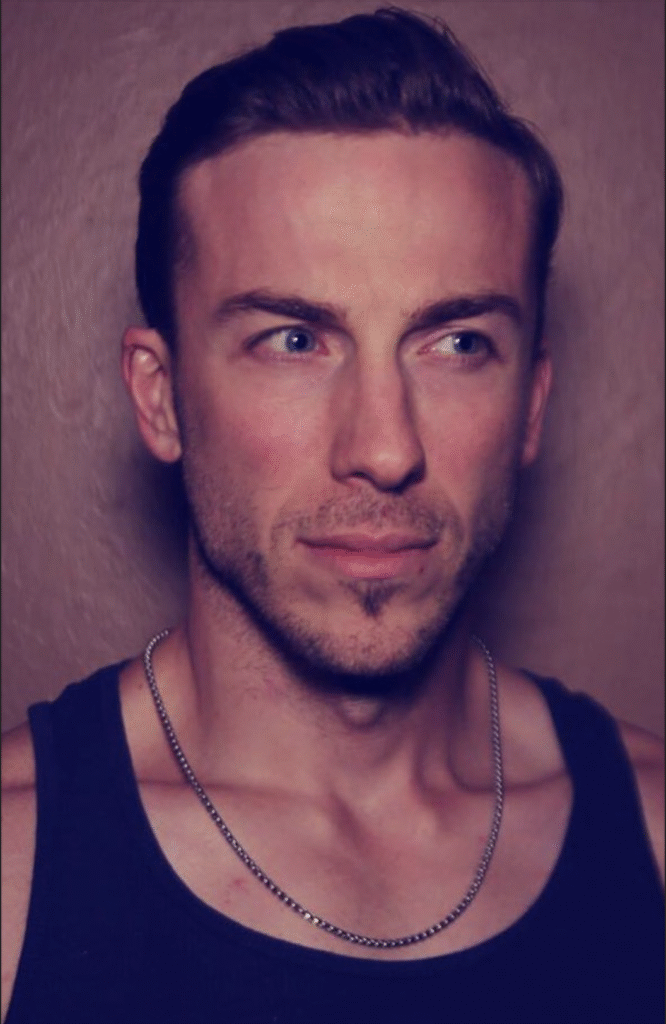
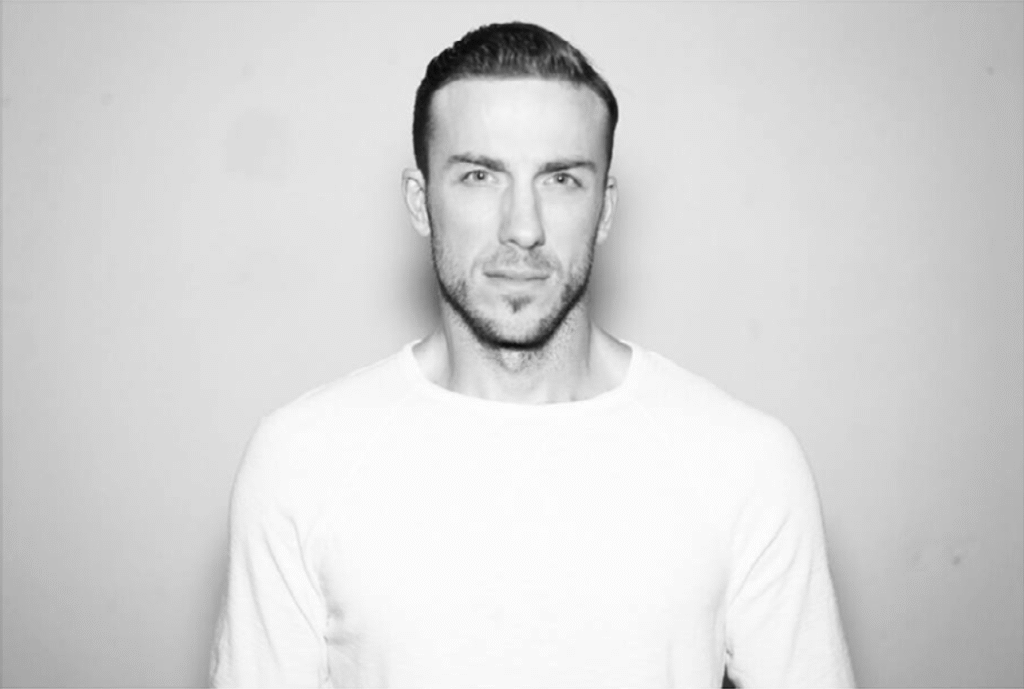
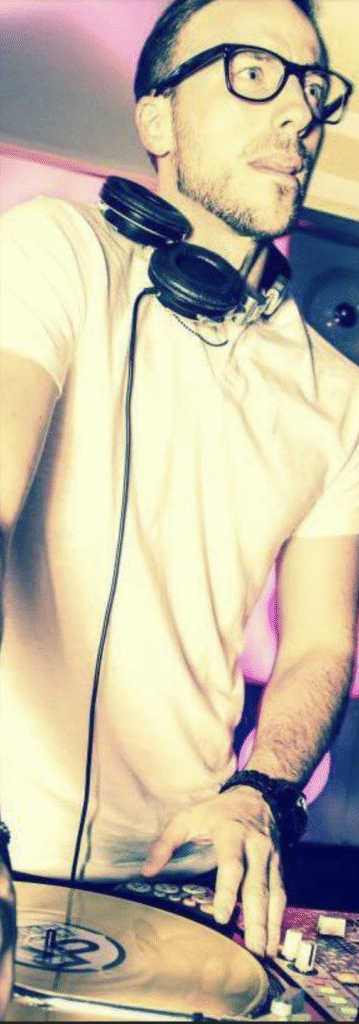
Daniel Rockwell is no stranger to the DJ arena. He has DJed for some of America’s most insane crowds over his nearly 2 decade long DJ career. Rockwell has also filled the role of producer, record label owner and event promoter. You can now find him every weekend as Candy Nightclubs resident DJ. We had the chance to sit down with Daniel….consider the following….
Describe what it’s like to DJ Candy Nightclub?
I think it’s an environment that Djs long for. The crowd around you for 360 degrees. You are immersed in them. It’s a beautiful thing. I think from an entertainment stand point I’ve never had that kind of connection with a crowd. In the short amount of time I’ve been able to do it I get excited about it.
I believe it’s high energy, open formatted and creative. Although, I think most DJs feel as though their sets are creative but I like the response that I get from what I play. I like the reaction. Honestly I’m not bumping Miley Cyrus in my ride, but I think that there are definitely a lot of good remixes. Especially right now. Genre’s are just so wide open. It’s not about genres any more it’s about tempo. There’s a big movement for like 70-80, 90-100 and so on. Any where you want to take a crowd there is music for that. That’s what I like doing. Being able to bring that crowd up and down. Being able to control that flow. I think that’s why I like DJing at Candy the most. I’m able to play different stuff in one set, I don’t mind playing a Robin Thicke track or a Miley Cyrus track. It keeps people guessing and keeps them on their toes. You get a better reaction when people don’t know what’s coming up next.
In the club business you have to understand how the flow works in that environment. You have to watch the dance floor and the room to understand what works. There have been some guys that want to keep the room banging. I think that after a full night of that it leaves you in a different state. I think there is an environment for that. But for me I enjoy really honing in on the crowd. When I DJ I put myself in the zone. When people try to come talk to me I’m more connected with the vibe of the room more so the personal experience. It’s nothing disrespectful. You only get four hours to create a vibe. That’s another thing when you only DJ for an hour, I believe that you leave something on the table. It’s like you didn’t get the job done. I get the theory behind having DJ nights with four or five DJs, the more people you have on the bill, the more promotion and the more people that will come out. But I favor creating an environment. Creating a mood. I think that’s a lasting experience that people can recall, remember and revisit.

Tell us about your latest release “Fukem Till They Come”.
Producing is one of those things I wish I had more time to do. Working with music and writing beats has been a huge passion of mine. In order to produce tracks it takes a lot of time and effort. Sometimes I want to get away from it all so I pull out my laptop. My usual process is to think of a melody, or a baseline. I usually work on a sound that I like to utilize as a baseline first. Even like the stab that I use in the track “Fume Till They Come” was three sounds that I pressed. I believe it really sticks out in the track. But it was a complex endeavor. It’s a kin to what people use to do back in the day with underground hip hop with snares. It’s just layered sounds. I had a discussion with Rule of Eight. His thing is focusing on a project even when it’s done. I think it’s tough to call it an end. I once read in Ocmputer Music Magazine that when you create music you are in creation mode. When you step away yo are out of that mode. From my stand point what makes me more efficient is that I try to place at least four hours into a project but no more than 8. Once that time has passed I thin the idea is already laud out. At that time you just have to mix it and master it and move on.
I’m confident in that track but I know it’s not going to put me on the map. I think there are those few popes that make tracks that really put them on the map. You don’t come out the room a great soccer player you have to practice. I think production is the same exact way. You are going to put out some stuff that doesn’t sound good. And you have to understand that perfecting your craft is a process. When I first started I couldn’tt tell you the difference between a white and black key on a keyboard. But I learned. Because back then it was more about learning. I think I’ve finally started to grasp the complexity of music. It took years of work to get there.
Let’s go down memory lane. Talk to us about your mixtape “My Boink Is Fierce”
It’s funny you bring that up because I was definitely in that mode. I think a lot of that was represented by the Daniel Rockwell persona. I thin that it didn’t allow me to focus on what I wanted to do musically. The ego really got the better of me.
How did you overcome it?
I stepped away from DJing. It’s actually a funny story. I put up the “Live from Sante Fe” mix I did a few years back. I push that live set because that was the last time I DJed as Daniel Rockwell the UK Garage guy. What was enlightening about that experience is that some of the community there lives in the mountains and majority of them fought in a major border dispute. It’s unique. They are the nicest people that you cold ever meet on the earth but they could kill you in two seconds. They aren’t boastful about its all. They learn two things in school, arts and hot to kill a guy. But they are so humble and polite. I learned a lot from that. Just being in that environment humbled me, .that was a good turning point for me. I realized that what I was doing wasn’t right. I thought about their heritage and where they have been, it made me think of my own. I took into account my direction and where I’ve been and where I am. It wasn’t a healthy direction so I changed it. So I think that taking myself out of that element was need at that point.
I moved to Fayetteville and started doing stuff up there. At the time Arkansas was how OKC used to be. It was all about fun and good times. It wasn’t like “Do you know who I am?”. We would to at apartment complexes and people would make there houses into little parties. Like, “let’s go over to 101 and listen to some house or let’s go over to 104 and jam out to D & B”. It was definitely kind of cool. I moved back and I didn’t want to focus on other peoples careers. I realized real quick. That in order to receive someone’s help you have to be able to voice it and accept it. Simply stating that you want someone’s help is extremely humbling. It’s accepting that you can’t do everything by yourself. Attributing it to nightclubs, you can think I didn’t make these clubs, I didn’t stock the liquor. You have to look at things on a grander level. If you look at the careers of other big DJs it’s usually that one guy there but they have a staff that puts it all together. It’s a team effort. I think that when DJs brand themselves as this huge money making corporate entity it’s a hug disconnect. Like Diplo, he has a bunch of stuff going on. You think he is on Soundcloud searching for new songs? No. He has a team do it for him. There is a sense of unity in that thought. That behind each of these artist there is a team that believes in them as much as they believe in themselves.
What’s your take on the popularity of dance culture?
We can be honest here. The same reason that people are into dance now is the same reason people got into it then. For that sense of release, to rebel in a contained environment, to try something new or to try something different. I always thought that the massive thing was interesting. Where’s my connection with the performer? It’s usually a guy that’s two miles away hidden behind a lighted rig. How do you connect with that? Honestly, I know that’s what generates revenue but to me, music should be an intimate experience that inspir3es people. Reeling the focus in on Bricktown. I think that some that ideology of bigger is better relates to Bricktown. It’s part of the big discussion right now. What’s happening downtown? What works downtown? Do people want that over stimulating, Vegas style, visually over the top experience or do they want that I’m in a bar just getting crazy with my friends, house party vibe experience. Do the facts show that? I think you can give them bells and whistles and people may come out but all in all the facts have to show that. In our community it seems that Fridays are the quiet nights,. People want to go to places where they can wind down but on Saturdays it’s Wile Out Ratchet City Saturdays. Literally all you have to do is open doors and people are like, “Where do I flip and start Twerking’. Where is the closest Twerk bar?” It’s an adventure going downtown. I think some people live for that but some people don’t. I think that you have to have continuity with your crowd in order for them to desire that experience again. For them to really WANT to attend your spot each weekend, I think we have that at Candy.
What’s your take on Social Media Marketing?
I think that a lot of people still live in that real of promotions. I like coming from the school that I came from because I know the fact that I have a Facebook log-in doesn’t make me a promoter. I know that having a Soundcloud account doesn’t make me a producer. I don’t mean that in a demeaning way. I’m saying that from the stand point of when ever I got into DJing I knew that it was going to be more than that performance. I practiced in my bed room for years before I hit a live stage. Now, I think there is a rolling trend with Djing. People buy gear and start laying a week later. If you look at guitarist there are different types like jazz, rock, acoustic. Now literally the guy that downloads a version of Virtual DJ on their laptop are now considered DJs. I’m not saying that to demean what they are doing. Because it’s something to create something new. But I think that the word for DJ has become a hogpog of what people do. People on the radio are called DJs, people that do weddings are considered DJ’s That’s why I choose to never use DJ Daniel Rockwell because I feel that I put to much work behind the turntables, I feel like I put to much work in the studio to just be labeled as just a DJ. I don’t want that to sound pretentious. But you don’s say DJ Steve Aoki. He is a performer. I’ve always been a fan of controllers and midi DJing. The only problem I have with it is that I don’t think any one uses it to its highest potential. Those things are designed to do amazing things. Impromptu, on the fly live remixes. Especially the stuff with Traktor and Serato DJ. Kind of like Felix the House Cat, it looks as though he is just pushing buttons but he did lots of research to do what he does. He plays a 70’s house beat, with a 90’s baseline and mashes it together, .I say that’s how that technology should be used. It’s supposed to take your performance to the next level. If you use that stuff in the conventional alive of 16 in and 16 out and feel that you have to think to your self are you really representing that craft to its fullest potential. Creativity is the whole idea with DJing and music. When I think back to retrospect. I think back to the stuff that Hack Acid did. I played a party with him and he brought a laptop, and all this live PA stuff. Some people loved it and others discounted it, but he was up there making music,. Even if you liked it or didn’t like it, there should be have been that appreciation for it. I think most people didn’t appreciate it enough. But he as doing something progressive,. Ahead of the times,. I think that everyone has a lot to learn from one another. I don’t ever want to say that I’m the greatest because I believe that’s when you stop growing. I don’t ever want to stop growing as an artist. I want to continually learn. I always want to be in the know what’s next.

What’s next for Rockwell?
That’s a funny question. How long a person DJs, how long is it socially acceptable before you become the awkward old guy DJing. It could happen next week for me it could happen next year, .I could be Sting, still performing., That guy is like 70 and still 20 year old girls are flocking to him. But you never know when that happens. From a musical standpoint, I think that when people say I’m quitting Djing, those people don’t quit, it’s just that the bookings stop. Instead of me saying “I’ll quit on this date”, I could possibly go until I’m in a nursing home DJing on bingo night. I know at some point the Facebook likes and calls will stop coming,. But until that point I want to focus on production and help as many people as I can understand, grow and grasp their dreams in music. I’d like to share the knowledge that I have with the younger generation. All while perfecting the energy and freshness of my current on going gigs. I just to continue to make memorable experiences.
Interview from the December 2013 Issue of Muve Magazine.